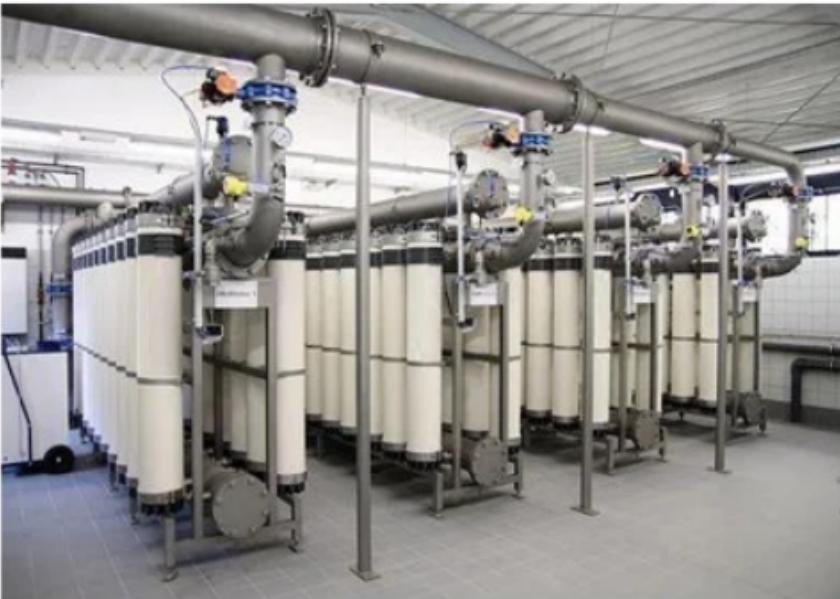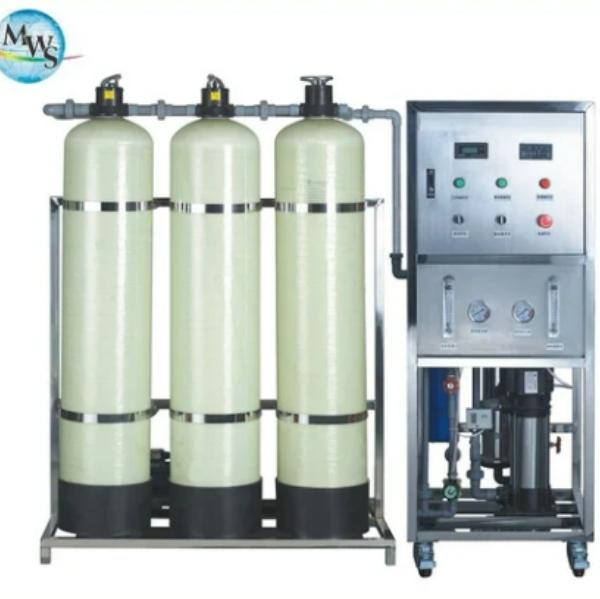

A Waste Water Recycling System is an advanced solution designed to treat and reuse wastewater generated from industrial, commercial, and domestic sources. With increasing water scarcity and environmental concerns, recycling wastewater has become essential for sustainable water management. These systems help reduce freshwater consumption, minimize environmental pollution, and ensure compliance with regulatory standards.
The working process of a wastewater recycling system involves multiple treatment stages. Initially, wastewater undergoes primary treatment, where large particles and suspended solids are removed through screening and sedimentation. This is followed by secondary treatment, which uses biological processes to break down organic matter. In the final stage, known as tertiary treatment, advanced filtration, disinfection, and chemical processes are applied to remove remaining impurities, bacteria, and harmful substances, making the water safe for reuse.
Wastewater recycling systems are widely used in industries such as manufacturing, textiles, pharmaceuticals, food processing, and construction. They are also highly beneficial for residential societies, commercial complexes, hotels, and hospitals. Recycled water can be reused for applications like gardening, cooling towers, flushing, and industrial processes, significantly reducing overall water demand.
Modern wastewater recycling plants are equipped with technologies such as membrane filtration, reverse osmosis, UV disinfection, and automated control systems. These features ensure efficient treatment, consistent output quality, and low operational costs. Additionally, compact designs and easy maintenance make them suitable for both small-scale and large-scale installations.
The working process of a wastewater recycling system involves multiple treatment stages. Initially, wastewater undergoes primary treatment, where large particles and suspended solids are removed through screening and sedimentation. This is followed by secondary treatment, which uses biological processes to break down organic matter. In the final stage, known as tertiary treatment, advanced filtration, disinfection, and chemical processes are applied to remove remaining impurities, bacteria, and harmful substances, making the water safe for reuse.
Wastewater recycling systems are widely used in industries such as manufacturing, textiles, pharmaceuticals, food processing, and construction. They are also highly beneficial for residential societies, commercial complexes, hotels, and hospitals. Recycled water can be reused for applications like gardening, cooling towers, flushing, and industrial processes, significantly reducing overall water demand.
Modern wastewater recycling plants are equipped with technologies such as membrane filtration, reverse osmosis, UV disinfection, and automated control systems. These features ensure efficient treatment, consistent output quality, and low operational costs. Additionally, compact designs and easy maintenance make them suitable for both small-scale and large-scale installations.
Keywords