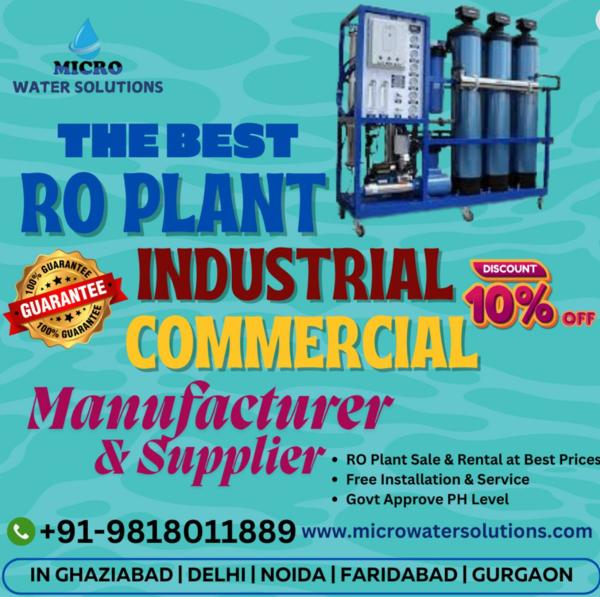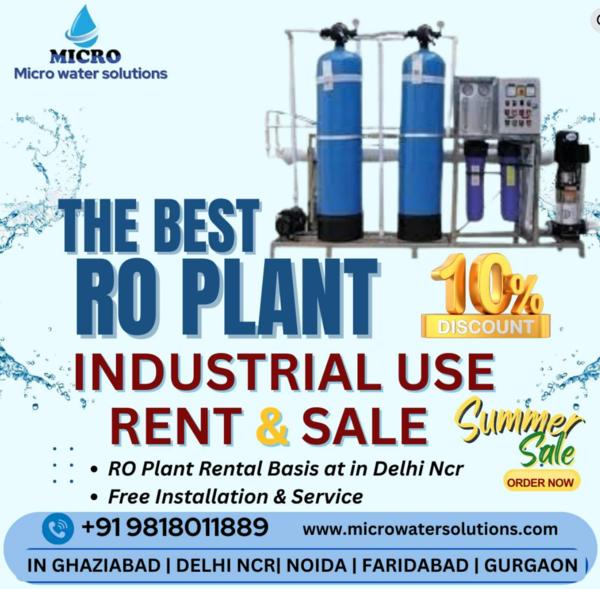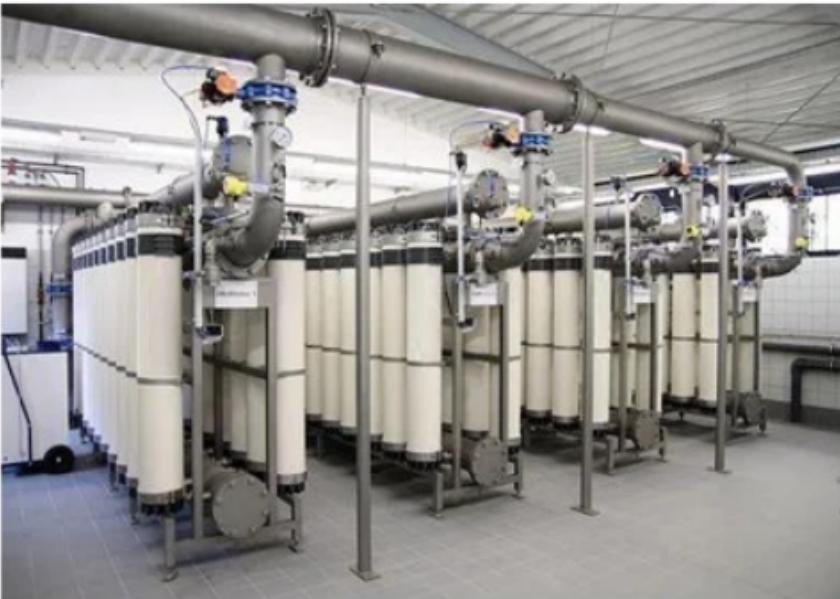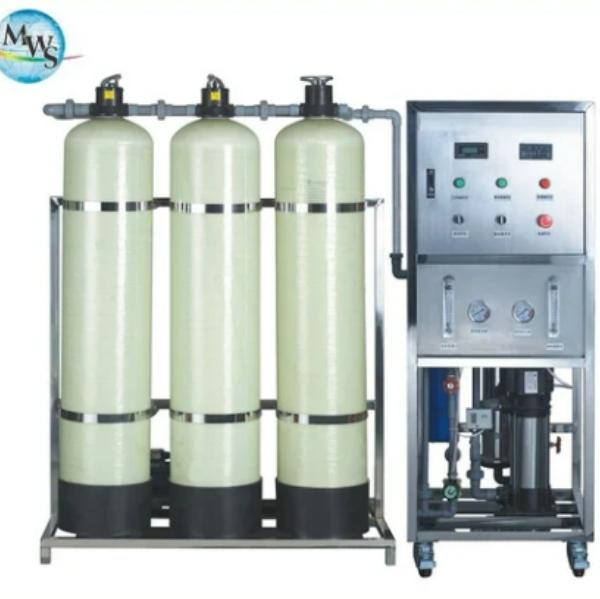

A Pure Water Treatment Plant (often referred to as a purification system) is designed to remove impurities, contaminants, and harmful substances from raw water to make it safe for drinking and industrial use. With growing concerns about water pollution and health, these plants play a vital role in delivering clean, hygienic, and safe water for various applications.
The treatment process in a pure water plant involves several advanced stages. It typically begins with pre-filtration, where suspended particles, dirt, and sediments are removed using sand filters and activated carbon filters. This is followed by reverse osmosis (RO), a highly effective method that removes dissolved salts, heavy metals, and microorganisms. Additional steps like UV sterilization and ozone treatment ensure complete disinfection by eliminating bacteria, viruses, and other pathogens, resulting in pure and safe water.
Pure water treatment plants are widely used in industries such as pharmaceuticals, food and beverage, electronics, and healthcare, where high-quality water is essential. They are also suitable for residential complexes, schools, hotels, and commercial establishments that require a consistent supply of clean water. These systems help improve taste, odor, and clarity while maintaining essential quality standards.
Modern plants are equipped with automated controls, energy-efficient components, and durable materials to ensure long-term performance and minimal maintenance. They are available in different capacities, allowing customization based on specific requirements. Easy installation and user-friendly operation make them a practical solution for both small and large-scale needs.
Investing in a pure water treatment plant ensures reliable access to clean water, protects health, and enhances operational efficiency. It is a smart and sustainable choice for meeting the increasing demand for safe and high-quality water in today’s environment.
The treatment process in a pure water plant involves several advanced stages. It typically begins with pre-filtration, where suspended particles, dirt, and sediments are removed using sand filters and activated carbon filters. This is followed by reverse osmosis (RO), a highly effective method that removes dissolved salts, heavy metals, and microorganisms. Additional steps like UV sterilization and ozone treatment ensure complete disinfection by eliminating bacteria, viruses, and other pathogens, resulting in pure and safe water.
Pure water treatment plants are widely used in industries such as pharmaceuticals, food and beverage, electronics, and healthcare, where high-quality water is essential. They are also suitable for residential complexes, schools, hotels, and commercial establishments that require a consistent supply of clean water. These systems help improve taste, odor, and clarity while maintaining essential quality standards.
Modern plants are equipped with automated controls, energy-efficient components, and durable materials to ensure long-term performance and minimal maintenance. They are available in different capacities, allowing customization based on specific requirements. Easy installation and user-friendly operation make them a practical solution for both small and large-scale needs.
Investing in a pure water treatment plant ensures reliable access to clean water, protects health, and enhances operational efficiency. It is a smart and sustainable choice for meeting the increasing demand for safe and high-quality water in today’s environment.
Keywords